o que é alimento in natural Nutrição funcional, uma dieta feita à medida
When it comes to achieving optimal health and wellbeing, nutrition plays a crucial role. However, not all dietary approaches are created equally. In recent years, the concept of functional nutrition has gained popularity as a way to tailor nutrition plans to individual needs and goals. On the other hand, the term “natural” has also gained traction, suggesting that foods labelled as such are healthier choices. In this post, we’ll explore these two concepts and their implications for our health. Functional nutrition is a holistic approach to nutrition that takes into account the individual’s unique needs and biochemistry. This approach recognizes that no two people are the same and therefore, no single diet can be equally effective for everyone. A functional nutritionist works closely with clients to evaluate their health status, genetic and environmental factors, as well as dietary habits and preferences. From there, a customized nutrition plan is developed that aims to optimize overall health and prevent or manage chronic diseases. This approach is backed by scientific evidence and has been shown to be effective in improving various health outcomes. On the other hand, the term “natural” when it comes to food labeling is not regulated and, therefore, is not a reliable indicator of a food’s healthfulness. In fact, many packaged foods with the word “natural” on the label can still be highly processed and contain added sugars, artificial flavors, and other additives. The term “natural” is often just a marketing ploy designed to appeal to health-conscious consumers. Therefore, relying solely on this label to make food choices may not result in the best health outcomes. It’s important to note that there is no one-size-fits-all approach to nutrition, and what works for one person may not work for another. Functional nutrition takes into account individual variations in nutrient metabolism and absorption, gut health, and immune function, among other factors. This approach recognizes that even healthy foods like fruits and vegetables may not be suitable for everyone, and certain foods may actually exacerbate certain health conditions. Therefore, a functional nutrition approach can help individuals identify which foods or nutrients may be beneficial or harmful to their health. When it comes to diet, there is no substitute for a balanced and varied intake of whole, minimally processed foods. While functional nutrition can help optimize dietary choices, it is important to note that this approach can be time-consuming and may require some trial and error before finding what works best for each individual. On the other hand, relying on labels like “natural” can be misleading and may not result in the best health outcomes. In summary, both functional nutrition and the term “natural” relate to dietary approaches. However, the former is backed by scientific evidence and takes into account individual differences in health status and dietary needs, while the latter can be misleading and is not a reliable indicator of a food’s healthfulness. Ultimately, the best approach to nutrition is one that emphasizes a varied intake of whole, minimally processed foods that are customized to an individual’s needs and preferences.
Nutrition made easy with functional nutrition
Functional nutrition is a holistic approach to nutrition that takes into account your unique needs and biochemistry. With the help of a functional nutritionist, you can customize your nutrition plan to optimize your overall health and prevent or manage chronic diseases.
 Functional nutrition recognizes that no two people are the same and therefore, no single diet can be equally effective for everyone. From evaluating your health status, genetic and environmental factors, as well as dietary habits and preferences, a customized nutrition plan is developed just for you.
The truth about natural foods
The term “natural” when it comes to food labeling is not regulated and, therefore, is not a reliable indicator of a food’s healthfulness. In fact, many packaged foods with the word “natural” on the label can still be highly processed and contain added sugars, artificial flavors, and other additives.
 The term “natural” is often just a marketing ploy designed to appeal to health-conscious consumers. Therefore, relying solely on this label to make food choices may not result in the best health outcomes.
Conclusion
While functional nutrition can help optimize dietary choices, it is important to note that this approach can be time-consuming and may require some trial and error before finding what works best for each individual. On the other hand, relying on labels like “natural” can be misleading and may not result in the best health outcomes. Ultimately, the best approach to nutrition is one that emphasizes a varied intake of whole, minimally processed foods that are customized to an individual’s needs and preferences.
If you are searching about Alimento natural: a classificação que não significa nada you’ve came to the right web. We have 5 Pics about Alimento natural: a classificação que não significa nada like Alimento natural: a classificação que não significa nada, CAMINHOS E VEREDAS: O CORPO É MAIS QUE O ALIMENTO and also CAMINHOS E VEREDAS: O CORPO É MAIS QUE O ALIMENTO. Read more:
Alimento Natural: A Classificação Que Não Significa Nada
hypescience.comProbioticosim Carina Palatnik On Instagram: “Existem Alguns Alimentos
 br.pinterest.comCAMINHOS E VEREDAS: O CORPO É MAIS QUE O ALIMENTO
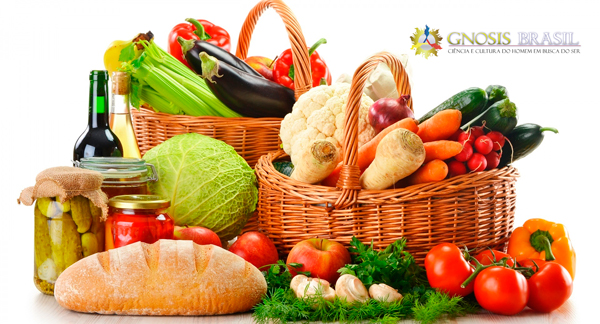 caminhoseveredastk.blogspot.comNutrição Funcional, Uma Dieta Feita à Medida
www.vidaativa.pt8 Dicas De Alimentação Saudável Para Começar Bem 2020
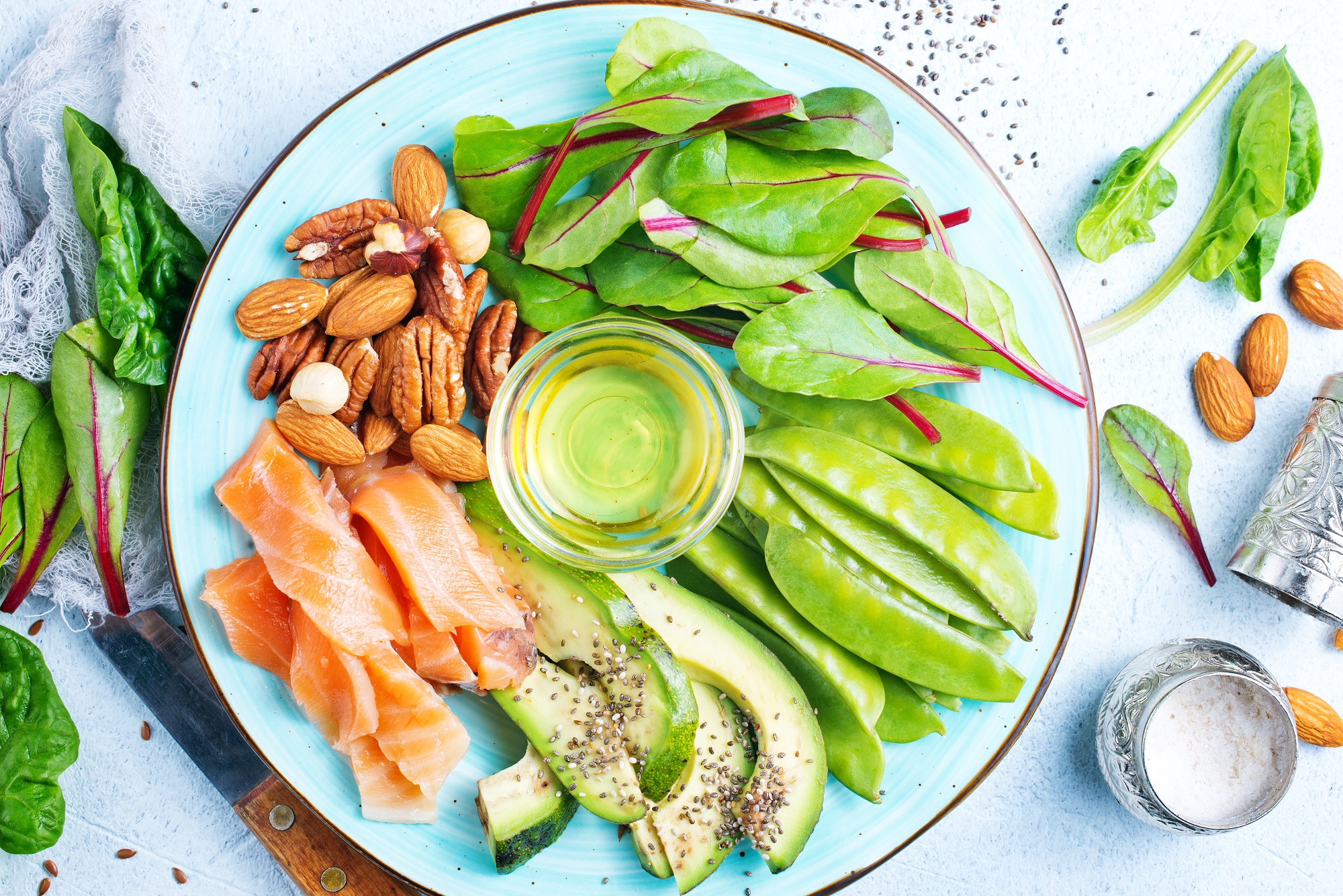 www.paranaclinicas.com.brProbioticosim carina palatnik on instagram: “existem alguns alimentos. Caminhos e veredas: o corpo é mais que o alimento. Alimento natural: a classificação que não significa nada